Blog
-
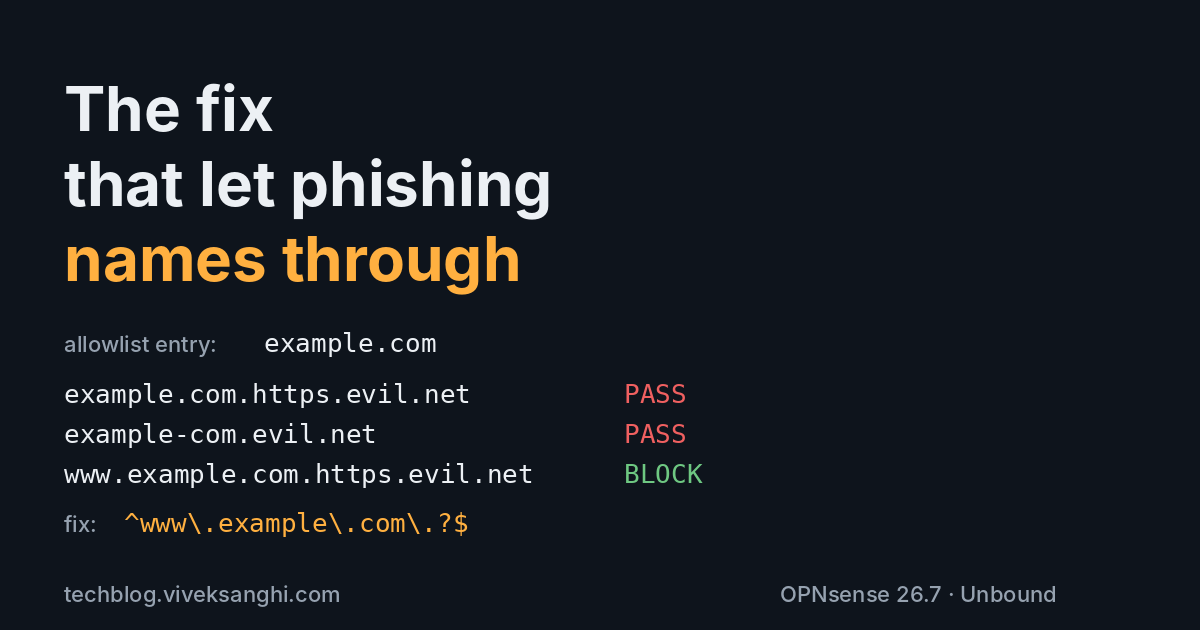
The fix that let phishing names through
An OPNsense allowlist entry is a regex matched from the start of a name, so my “fixed” entries let lookalike names through. Plus eighteen blocklists, seven of them redundant.
-
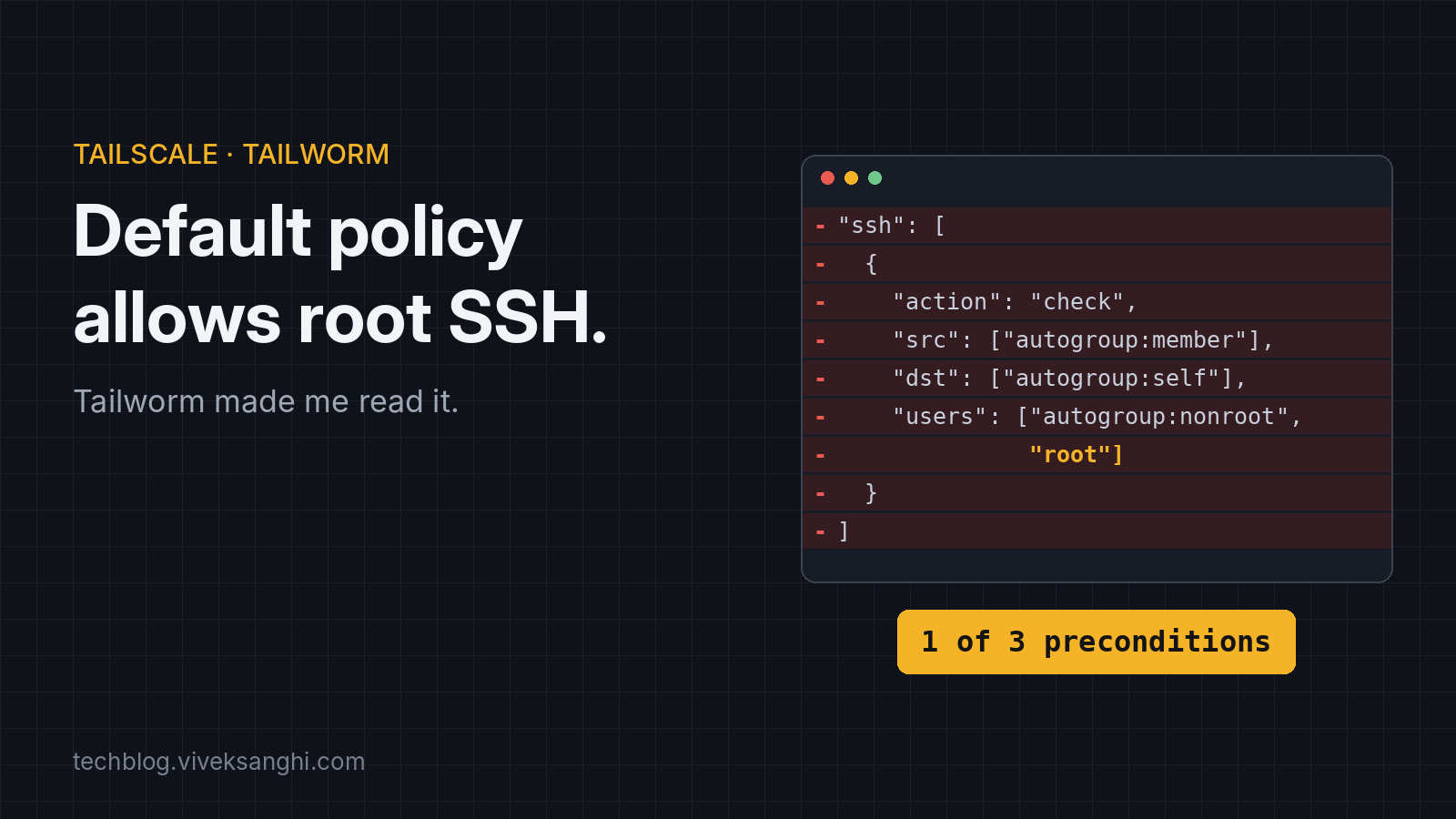
Tailscale’s default policy allows root SSH. Tailworm made me read it.
Tailscale fixed the Tailworm SSH flaws in 1.104.4. Checking my own tailnet against the report, I found something the patch does not change: the default policy allows a root SSH session on your own devices. What the attack needs, what I changed, and a five-minute check for yours, with copy-ready commands.
-
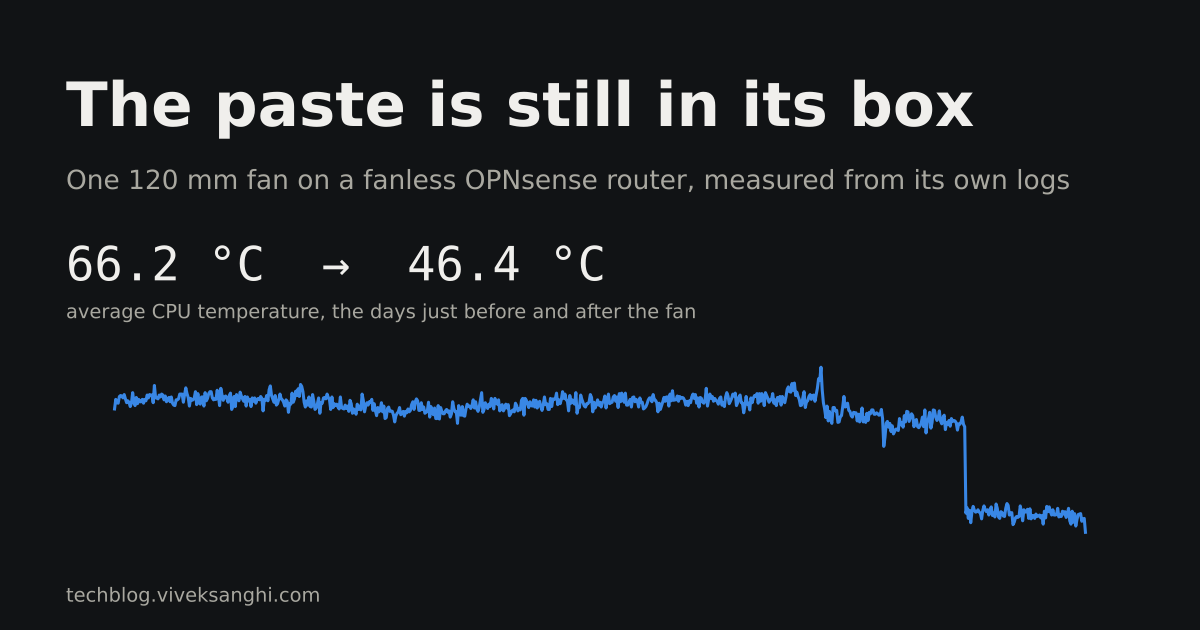
The paste is still in its box
A fanless OPNsense router in a closed cabinet touched 91 °C. Before opening it to repaste, I fitted one 120 mm fan and read the router’s own temperature record. The paste is still in its box.
-
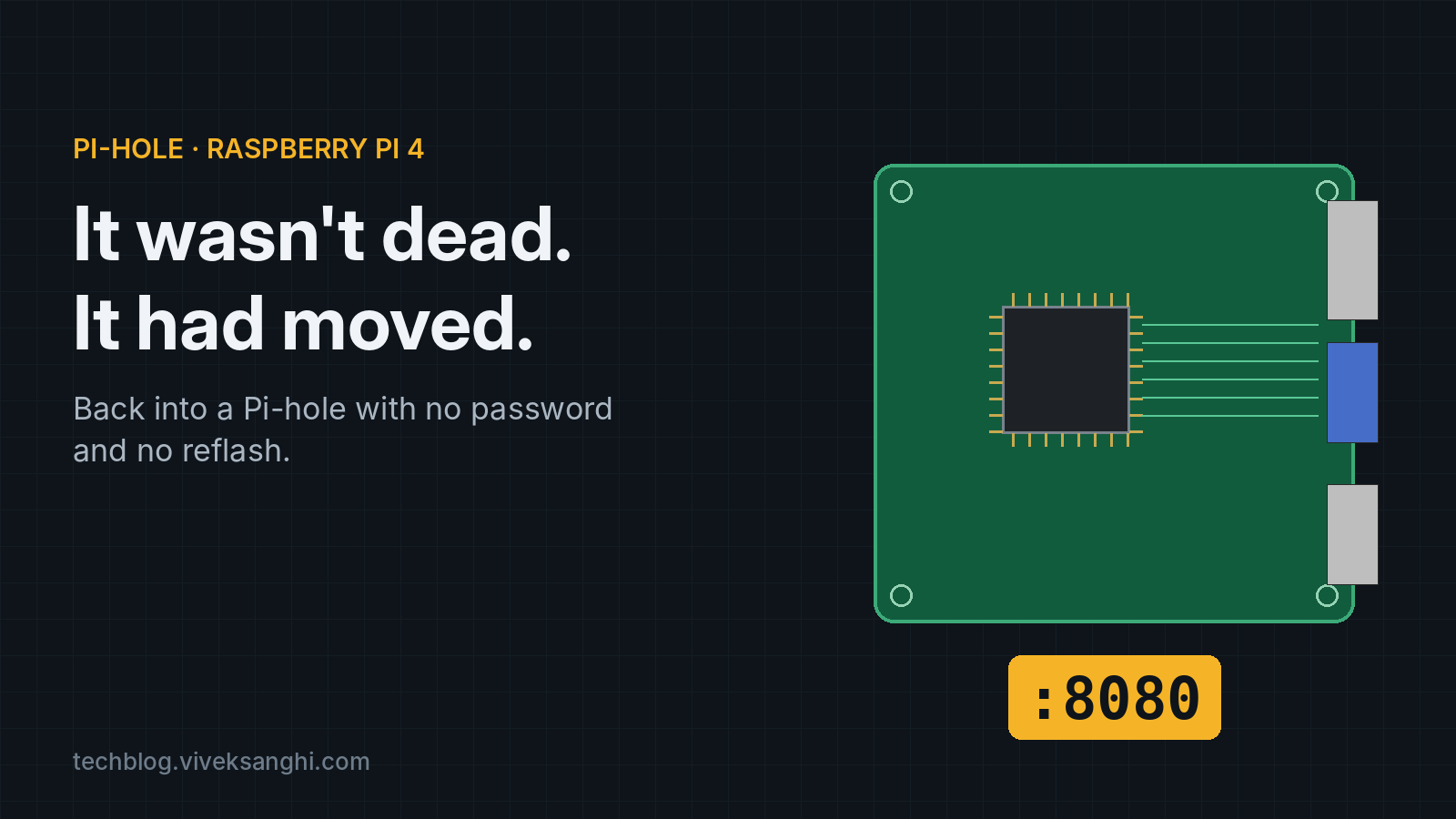
The Pi-hole that wasn’t dead: getting back in without a password
My Pi-hole’s web page had been “dead” for over a year. DNS and blocking were fine all along: the v6 upgrade had moved the page to port 8080. How I got back in without a password, read the logs, upgraded in place and made the Pi watch itself.
-
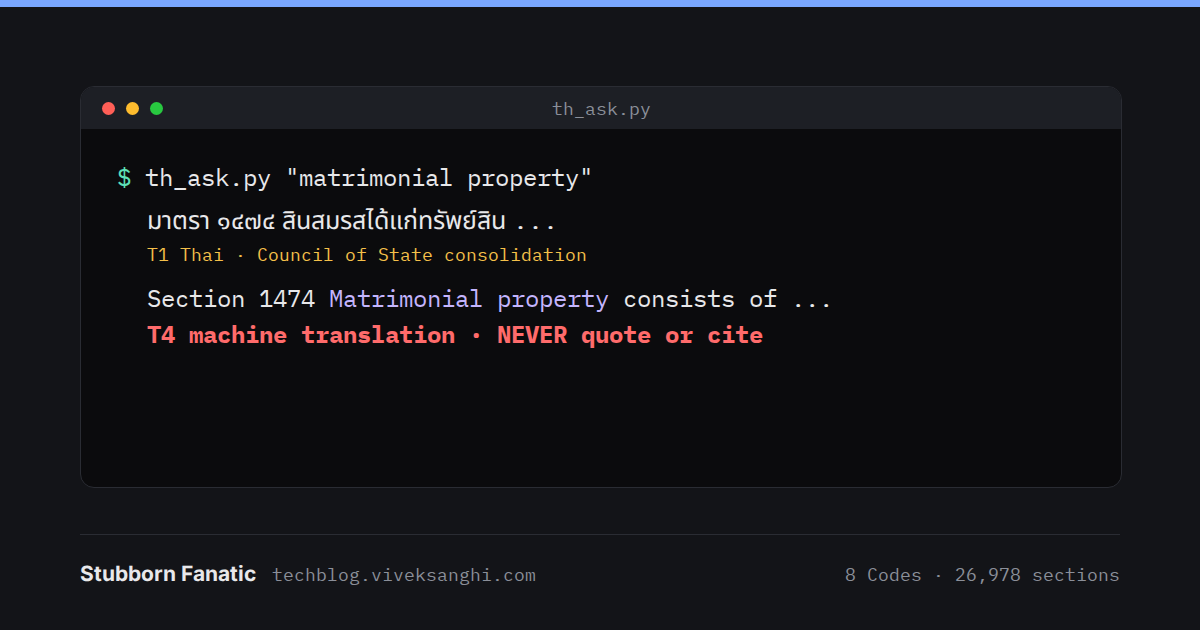
The law I cannot read · กฎหมายที่ผมอ่านไม่ออก
I am studying Thai law and cannot read Thai. Building a searchable library of Thai law on my own machine with an AI agent: every English word labelled by how far it can be trusted, PDFs that show one thing and say another, and 27,000 sections machine-translated on a local GPU.
-
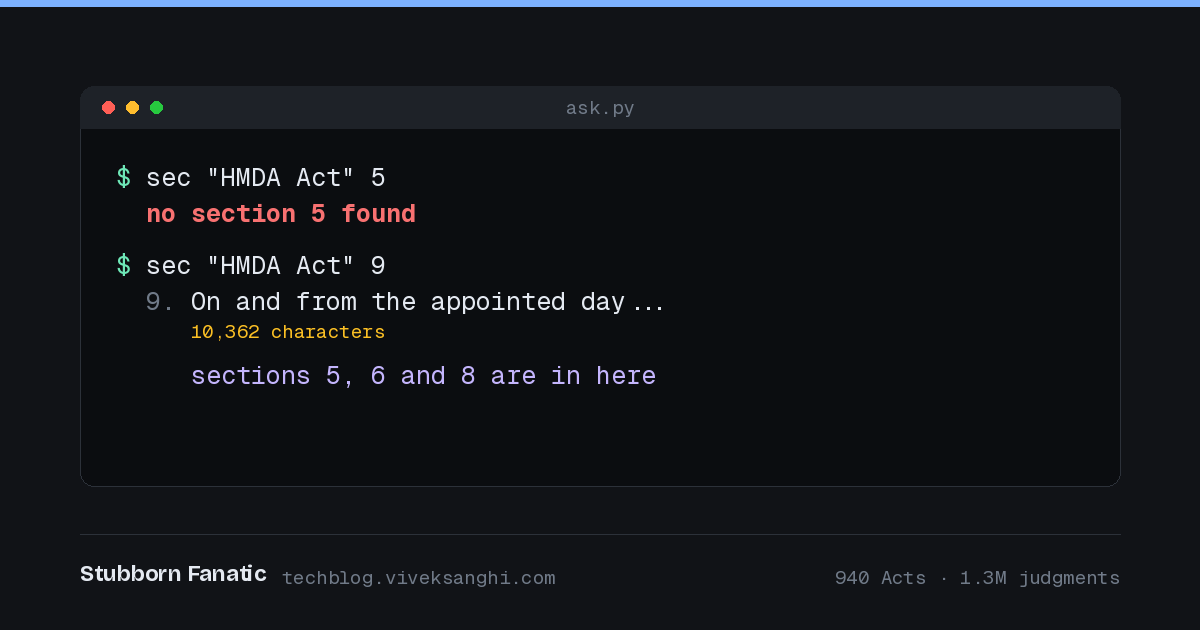
The section that wasn’t there
I asked my own law database for section 5 of the HMDA Act and it said there was no such section. There is. Building a searchable corpus of Indian statutes and judgments on my own machine, and what auditing it taught me about trusting legal text.
-
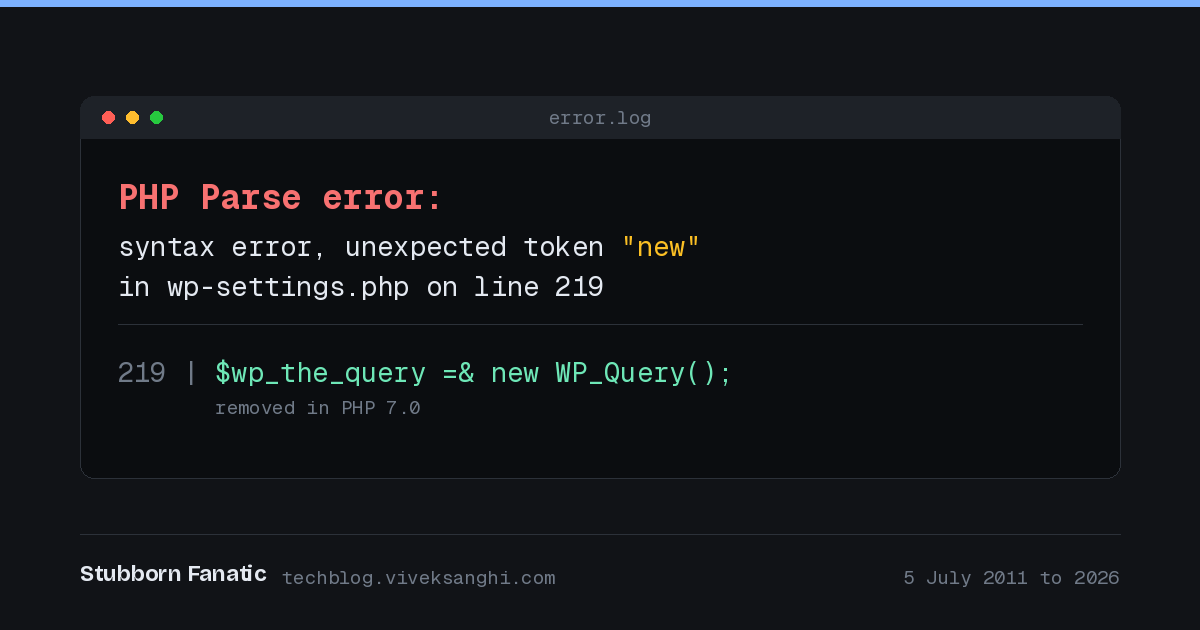
A parse error, a stalled upgrade, and fifteen years of silence
My tech blog died in 2011. A stalled WordPress 3.2 upgrade, then a PHP 7 parse error that had been repeating in the logs ever since. What the restore turned up, and the four bugs in the script meant to fix it.